Download Products Catalogue
 Related Products



Position: Home > Products > Mill Finish Aluminum
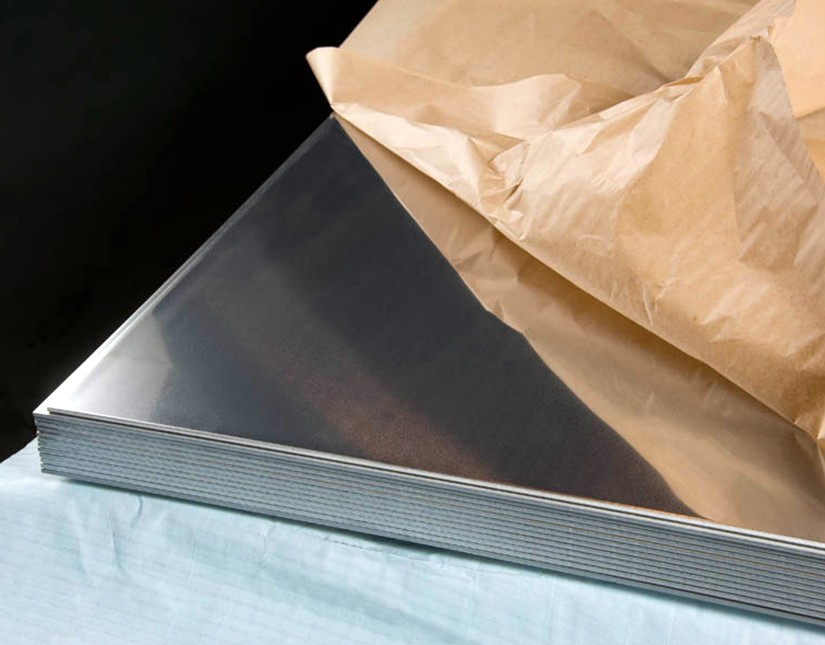
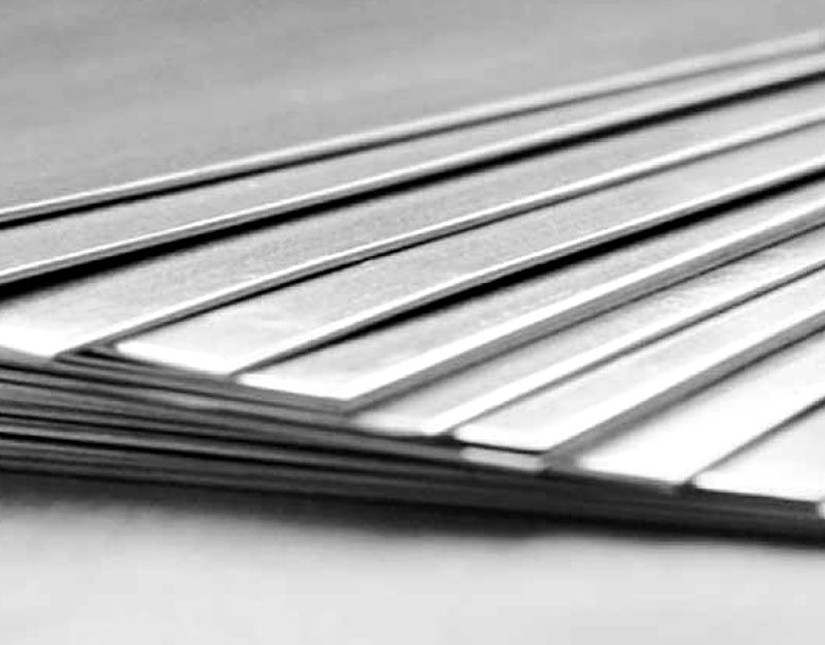
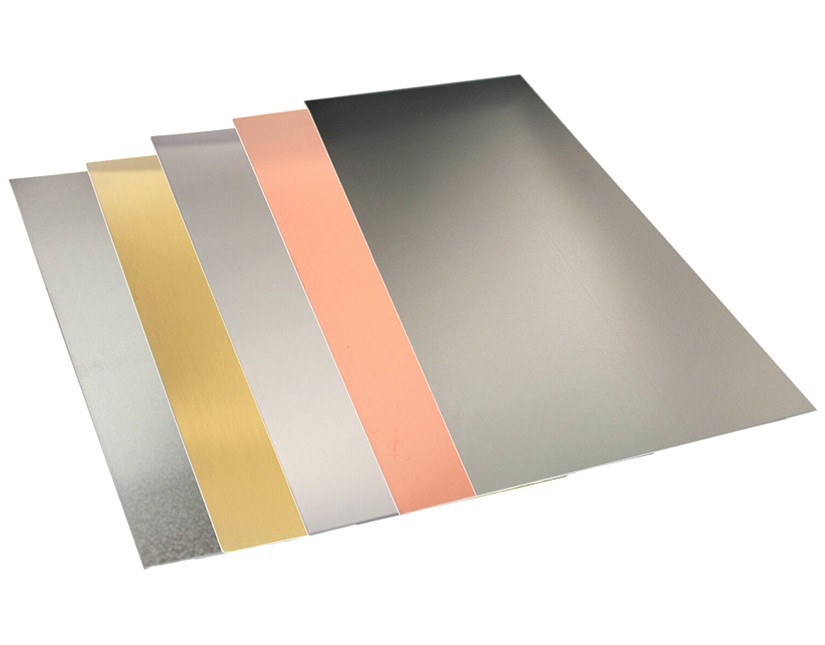
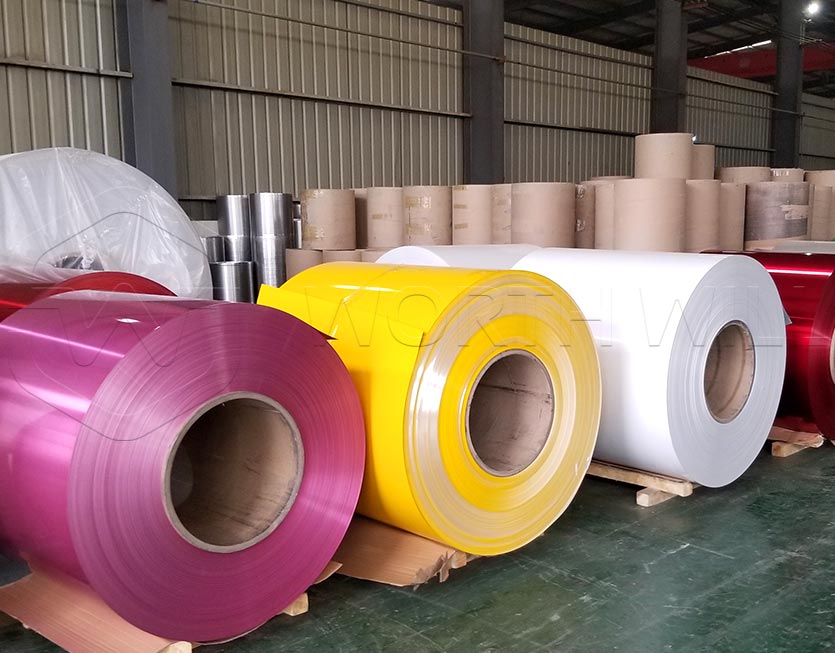
3105 mill finish aluminum is a non-heat-treatable 3xxx-series aluminum alloy supplied in sheet, coil, slit coil and cut-to-length form. With manganese and magnesium as principal alloying additions, AA 3105 combines useful strength with good formability, corrosion resistance and weldability for roll forming, bending, stamping and general sheet-metal fabrication.
Henan Worthwill Industry Co., Ltd. supplies 3105 aluminum sheet and coil in O, H12, H14, H16, H18, H22, H24, H26, H28 and other agreed tempers. Typical applications include roofing, siding, gutters, downspouts, ceilings, architectural panels, signs, bottle and screw caps, appliance components and base aluminum for PE, HDP or PVDF color coating.
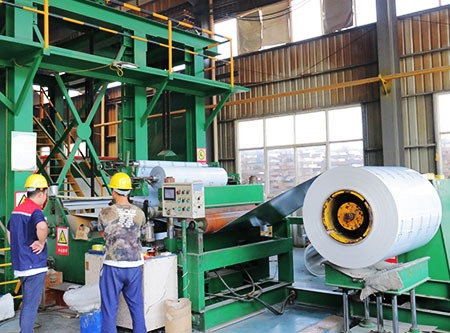
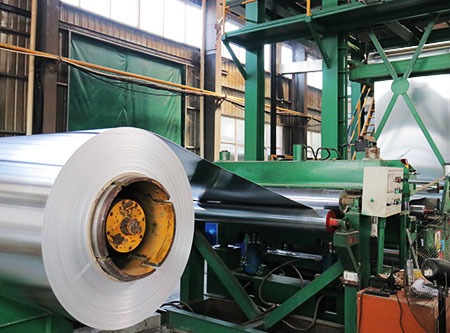
Slitting, leveling, cut-to-length processing, edge trimming, protective film and export packing can be arranged according to the required temper, thickness, width, sheet length or coil specification. Send us your application, dimensions, temper, quantity, surface requirements and destination for specification confirmation and quotation.
3105 aluminum sheet and coil are non-heat-treatable 3xxx-series aluminum products designed to provide a practical balance of strength, formability, corrosion resistance and fabrication performance. The alloy contains controlled additions of manganese and magnesium and is commonly supplied where buyers need more strength than commercially pure 1xxx-series aluminum while still requiring reliable bending, roll forming, stamping or coating performance.
Henan Worthwill Industry Co., Ltd. supplies AA 3105 aluminum in mill finish sheet, coil, slit coil and cut-to-length material for building products, roofing systems, siding, gutters, downspouts, ceilings, signs, closures, appliance components and general industrial fabrication. 3105 is also widely selected as a substrate for prepainted and color coated aluminum because it combines useful mechanical strength with good forming characteristics.
3105 belongs to the aluminum-manganese-magnesium family. It is a wrought aluminum alloy whose strength is controlled mainly through cold working and temper rather than precipitation heat treatment. Common designations include AA 3105, UNS A93105 and EN AW-3105, depending on the material standard specified by the buyer.
Compared with commercially pure aluminum such as 1050, 1060 or 1100, 3105 provides higher mechanical strength while retaining useful formability and corrosion resistance. This makes it particularly practical for thin-gauge sheet and coil products that must be roll formed, bent, stamped, painted or fabricated in continuous production.
3105 is not a heat-treatable strengthening alloy. If greater hardness or strength is required, the appropriate H temper is normally selected instead of using a solution-treatment and aging process.
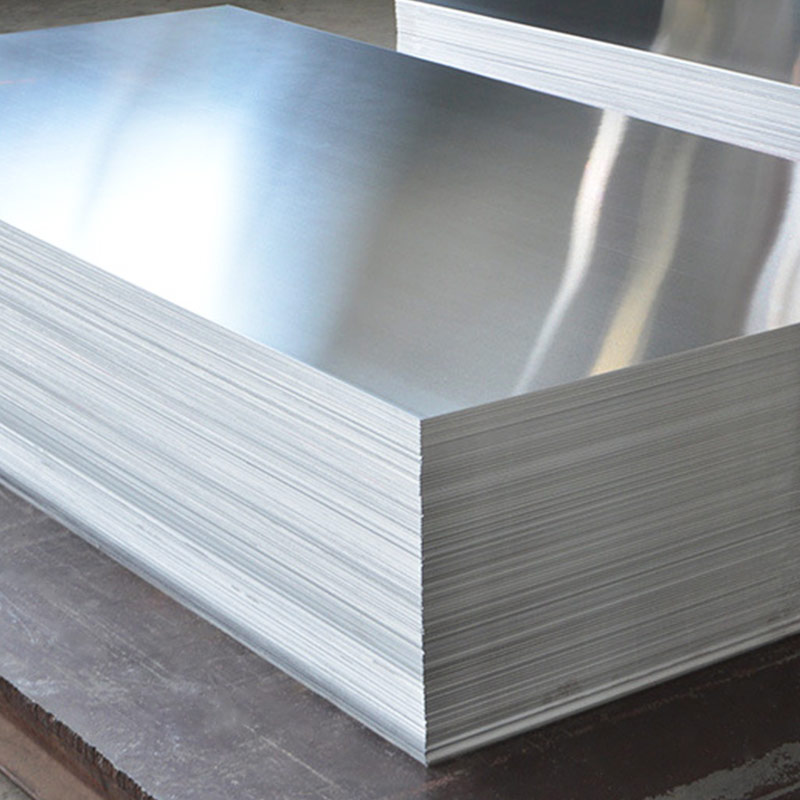
Mill finish 3105 aluminum retains the natural rolled aluminum surface without a decorative paint layer, anodized coating or laminated film. The surface normally has a clean metallic appearance and may show light rolling lines or small tone variations typical of industrial rolled aluminum.
Mill finish material can be used directly for many fabricated components or processed further by cleaning, chemical pretreatment, painting, coil coating, embossing, laminating, printing or other surface-finishing operations. Where the final product has a visible decorative surface, surface-quality requirements and protective-film requirements should be confirmed before production.
| Product Form | Typical Supply | Common Applications |
|---|---|---|
| 3105 Aluminum Coil | Full-width coil or slit coil | Roofing, gutters, roll forming, prepainted aluminum, continuous stamping and industrial production |
| 3105 Aluminum Sheet | Standard sheet or cut-to-length sheet | Siding, ceilings, signs, panels, housings and fabricated sheet-metal components |
| 3105 Aluminum Strip | Precision-slit narrow coil | Bottle and screw caps, trim, shutters, narrow stamped parts and continuous forming |
Worthwill can discuss slitting, leveling, cut-to-length processing, edge trimming, surface protection and application-specific export packing according to the final manufacturing process. Available dimensions depend on temper, thickness, width, surface requirement and production route.
Temper selection has a direct effect on strength, hardness, elongation, springback and forming performance. Softer conditions are preferred when the part requires substantial drawing or bending, while harder conditions provide greater stiffness and shape retention.
| Temper | General Characteristics | Typical Selection |
|---|---|---|
| 3105-O | Annealed condition with the highest formability | Deep forming, drawing and components requiring extensive deformation |
| 3105-H12 / H14 | Strain-hardened conditions combining moderate strength with useful formability | General sheet-metal fabrication, panels, siding, signs and formed components |
| 3105-H16 / H18 | Higher hardness and better shape retention with reduced ductility | Parts requiring greater stiffness with relatively limited forming |
| 3105-H22 / H24 | Strain-hardened and partially annealed conditions offering a practical strength-formability balance | Roofing, roll forming, siding, gutters, coated aluminum substrate and general fabrication |
| 3105-H26 / H28 | Higher-strength partially annealed conditions with lower forming capability | Applications requiring additional stiffness where severe forming is not required |
3105-H24 is one of the most frequently specified tempers for architectural sheet and coil because it provides a useful balance between mechanical strength and forming capability. H14 and H24 should not automatically be treated as identical, however. Their processing routes are different, and final mechanical requirements should always be checked against the applicable standard, thickness and purchasing specification.
For roll forming, stamping or bending projects, send the material thickness, forming method, bend radius, drawing and final application when possible. Temper should be selected from the actual manufacturing process rather than from price or hardness alone.
Good formability: 3105 can be bent, stamped, roll formed and fabricated into roofing sheets, siding panels, gutters, downspouts, closures and other formed products. The available degree of forming depends strongly on temper and thickness.
Useful strength for thin-gauge products: compared with commercially pure 1xxx-series aluminum, 3105 provides greater stiffness and mechanical strength while remaining practical for high-volume sheet and coil processing.
Good atmospheric corrosion resistance: like other aluminum alloys, 3105 develops a natural oxide layer that provides useful resistance in many indoor, outdoor and general architectural environments. For severe marine, chemical or highly corrosive service, the actual environment and required alloy should be reviewed before specification.
Good weldability and fabrication performance: the alloy can be joined and fabricated using appropriate aluminum processing procedures. Forming, welding, riveting, bonding or coating requirements should be confirmed according to the finished component.
Suitable for coating and finishing: 3105 is frequently used as base metal for painted or prepainted aluminum products. Proper cleaning and pretreatment are required before decorative or protective coating systems are applied.
Roofing and corrugated aluminum: 3105 aluminum coil can be roll formed into roofing sheets, corrugated panels and related architectural components where low weight, corrosion resistance, forming performance and paintability are required.
Siding and architectural panels: 3105 aluminum sheet is commonly considered for residential siding, wall panels, ceiling systems, decorative panels and other lightweight building products.
Gutters and rainwater systems: its combination of formability and atmospheric corrosion resistance makes 3105 practical for gutters, downspouts, flashing and roll-formed rainwater components.
Color coated aluminum substrate: 3105 is widely used as a substrate for color coated aluminum coil and sheet. PE, HDP or PVDF coating can be selected according to the required weathering performance, forming process and service environment.
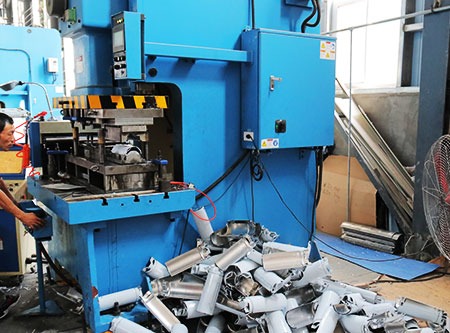
Bottle and screw caps: selected 3105 tempers can be supplied for closure material where controlled strength, forming characteristics and consistent strip dimensions are required.
Signs, appliance parts and general fabrication: 3105 sheet and coil can also be used for signs, housings, decorative components, appliance parts, partitions and general formed sheet-metal products.
Many buyers searching for 3105 aluminum are ultimately manufacturing a painted roofing, siding, gutter or architectural product. For these applications, the base aluminum must provide more than corrosion resistance. It also needs suitable strength, controlled flatness, repeatable forming behavior and a surface that can be properly pretreated before coating.
3105 is well suited to this production route. After suitable cleaning and pretreatment, the substrate can be coil coated with PE, HDP, PVDF or another confirmed coating system. The finished material can then be slit, leveled, roll formed or fabricated according to the end product.
For coated material, buyers should specify the alloy, temper, substrate thickness, coating system, coating thickness, color, gloss, coating side, protective film and expected outdoor environment. These requirements are more useful for production control than simply ordering “painted 3105 aluminum.”
| Alloy | General Position | Choose It When |
|---|---|---|
| 3105 | Al-Mn-Mg alloy with good forming performance, useful strength and strong suitability for architectural and coated sheet applications | Roofing, siding, gutters, roll forming, color coating and general fabricated sheet or coil are the priority |
| 3003 | Widely used general-purpose Al-Mn alloy with good formability and corrosion resistance | A broadly specified general-purpose 3xxx alloy is required for fabrication, containers, sheet-metal work or formed products |
| 3005 | Al-Mn-Mg alloy commonly used where somewhat higher strength is required in formed or coated products | The drawing or project specifically calls for 3005 or its mechanical-property range |
| 5052 | Higher-magnesium alloy providing substantially higher strength and stronger corrosion performance in demanding environments | Higher mechanical strength, marine-related service or more demanding structural fabrication is required |
These alloys should not be treated as automatic substitutes for one another. Chemical composition, temper, mechanical properties, thickness, forming method, service environment and the material designation shown on the drawing or purchase specification should determine the final selection.
A mill finish is an industrial rolled surface, not a mirror, brushed, anodized or painted decorative finish. Light rolling lines, minor tone variation or small handling marks may be acceptable for general fabrication but may not be acceptable for exposed decorative components.
If one or both sides will remain visible after fabrication, specify the required appearance surface, protective film, surface cleanliness and unacceptable defect criteria before production. For appearance-sensitive projects, an approved reference sample can help establish a practical acceptance standard.
For painting, adhesive bonding, printing or laminating, the mill-finish aluminum should receive cleaning and pretreatment suitable for the selected coating or adhesive system. Untreated mill finish aluminum should not automatically be considered ready for a high-performance architectural coating without proper surface preparation.
3105 aluminum sheet and coil can be supplied according to an agreed ASTM, EN, GB/T, JIS or customer-specific material requirement where applicable. The exact standard should be stated on the purchase order because chemical composition, mechanical properties and dimensional tolerances may vary with the governing specification, temper and thickness.
Depending on the order requirements, inspection can cover chemical composition, temper, tensile properties, thickness, width, sheet length, flatness, surface condition, edge quality, coil dimensions and packing. Mill test certificates or third-party inspection requirements should be agreed before production.
There is no single fixed 3105 aluminum sheet price or 3105 aluminum coil price for every order. Quotations are affected by the aluminum raw-material price, temper, thickness, width, sheet length, coil weight, order quantity, tolerance, surface requirement, slitting or cut-to-length processing, protective film, packing and delivery destination.
When comparing quotations, make sure the suppliers are quoting the same alloy standard, temper, dimensions, tolerances, surface condition, processing and packing method. A lower price based on a different specification does not necessarily represent the same finished material.
For sheet and coil production, dimensional consistency and surface protection are important because many 3105 applications involve continuous roll forming or visible architectural surfaces. Production requirements can include thickness control, width tolerance, flatness, edge condition, coil winding quality and surface inspection according to the agreed specification.
For export shipment, 3105 aluminum can be protected with moisture-resistant wrapping, paper or film separation, edge guards, steel strapping and wooden pallets or wooden cases according to product form and transport requirements. Packing should reduce moisture exposure, movement, edge damage and surface scratching during international transportation.
3105 is an efficient choice for many architectural, forming and coating applications, but it should not be specified only because it is easy to form or corrosion resistant. For structural components requiring substantially higher strength, severe marine exposure, highly aggressive chemical environments, pressure applications or parts requiring high machining performance, another alloy such as 5052, 5083 or 6061 may be more appropriate.
Final alloy selection should be based on the drawing, required mechanical properties, forming process, joining method, surface treatment and actual service environment.
What is 3105 aluminum? 3105 is a non-heat-treatable 3xxx-series aluminum-manganese-magnesium alloy. It is commonly supplied as sheet and coil for roofing, siding, gutters, coated aluminum, closures and general forming applications.
What is 3105-H24 aluminum? H24 is a strain-hardened and partially annealed temper that provides a practical balance of strength and formability. It is commonly selected for architectural sheet, roll-formed products and coated aluminum substrate.
What is the difference between 3105-H14 and 3105-H24? Both are commonly specified moderate-strength conditions, but H14 is produced primarily by strain hardening while H24 is strain hardened and then partially annealed. Final properties depend on thickness and the applicable material standard.
Is 3105 aluminum suitable for roofing and gutters? Yes. 3105 is widely used for roofing, siding, gutters, downspouts and related roll-formed building products because it combines useful strength, formability, atmospheric corrosion resistance and suitability for coating.
Can 3105 aluminum be painted or color coated? Yes. 3105 is commonly used as a substrate for prepainted aluminum. Proper cleaning and pretreatment should be used before PE, HDP, PVDF or another specified coating system is applied.
What information is needed for a 3105 aluminum quotation? Please provide the required alloy and standard, temper, thickness, width, sheet length or coil specification, quantity, surface requirement, application, tolerance, protective film, inspection-document requirement and destination.
Henan Worthwill Industry Co., Ltd. supplies 3105 mill finish aluminum sheet, coil and slit material for roofing, siding, gutters, color coated aluminum production, closures and general industrial fabrication. Send your specification, drawing or final application, and our team will review the suitable temper, dimensions, processing, surface protection, packing and delivery requirements before quotation.
| Item | Specification |
| Product Name | 3105 Mill Finish Aluminum Sheet & Coil |
| Alloy | AA 3105 / EN AW-3105 / UNS A93105, subject to the specified standard |
| Alloy Series | 3xxx series aluminum-manganese-magnesium alloy |
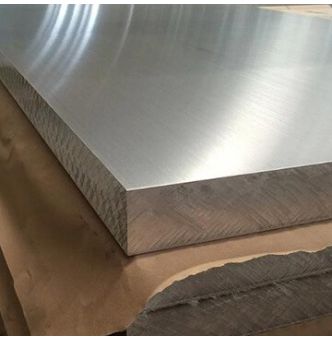
| Product Forms | Coil, sheet, slit coil and cut-to-length material; thicker flat product subject to production confirmation |
| Temper | O, H12, H14, H16, H18, H19, H22, H24, H26, H28, H111, H112 or as agreed |
| Published Thickness Range | 0.1–500 mm overall flat-product range; actual 3105 coil and sheet availability depends on temper, width and production route |
| Width | 100–2200 mm, subject to thickness and temper |
| Sheet / Plate Length | 500–11000 mm or custom cut-to-length |
| Surface | Natural mill finish; protective film or paper interleaving optional according to order |
| Processing | Slitting, leveling, cut-to-length, edge trimming and surface protection |
| Typical Applications | Roofing, siding, gutters, downspouts, ceilings, signs, roll-formed products, bottle and screw caps, coated aluminum substrate and general fabrication |
| Further Finishing | Suitable for painting, PE/HDP/PVDF coil coating, embossing, laminating or other confirmed finishing after appropriate pretreatment |
| Standards | ASTM B209/B209M, EN 573, EN 485, GB/T 3880, JIS H4000 or customer specification, as agreed |
| Packing | Moisture-resistant export packing with edge protection, wooden pallet or wooden case as required |
The following chemical composition is provided as general purchasing guidance for AA 3105 aluminum. Final acceptance should follow the material standard stated in the purchase contract and the applicable mill test certificate.
| Element | Reference Composition Limit |
|---|---|
| Silicon (Si) | ≤0.60% |
| Iron (Fe) | ≤0.70% |
| Copper (Cu) | ≤0.30% |
| Manganese (Mn) | 0.30–0.80% |
| Magnesium (Mg) | 0.20–0.80% |
| Chromium (Cr) | ≤0.20% |
| Zinc (Zn) | ≤0.40% |
| Titanium (Ti) | ≤0.10% |
| Other Elements, Each | ≤0.05% |
| Other Elements, Total | ≤0.15% |
| Aluminum (Al) | Balance |
Mechanical and physical properties vary with temper, thickness, production route and governing standard. The values below are typical reference data for 3105-H24 and should not be used as final engineering acceptance values. Contract requirements and the mill test certificate take precedence.
| Property | Typical Reference Value |
|---|---|
| Density | Approx. 2.72 g/cm³ |
| Ultimate Tensile Strength | Approx. 172 MPa / 25 ksi |
| Yield Strength | Approx. 145 MPa / 21 ksi |
| Elongation at Break | Approx. 5.6% |
| Modulus of Elasticity | Approx. 69 GPa |
| Thermal Conductivity | Approx. 170–171 W/m·K |
| Electrical Conductivity | Approx. 44% IACS |
| Heat Treatment | Non-heat-treatable; strength is controlled primarily by strain hardening and temper |
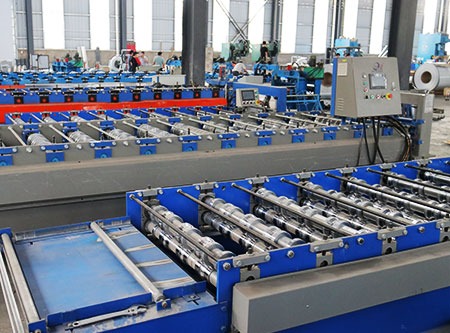
Send us your product, alloy, size, quantity and application requirements for a detailed quotation.